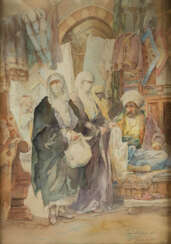
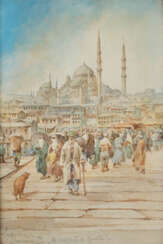
gemälde - 19. j


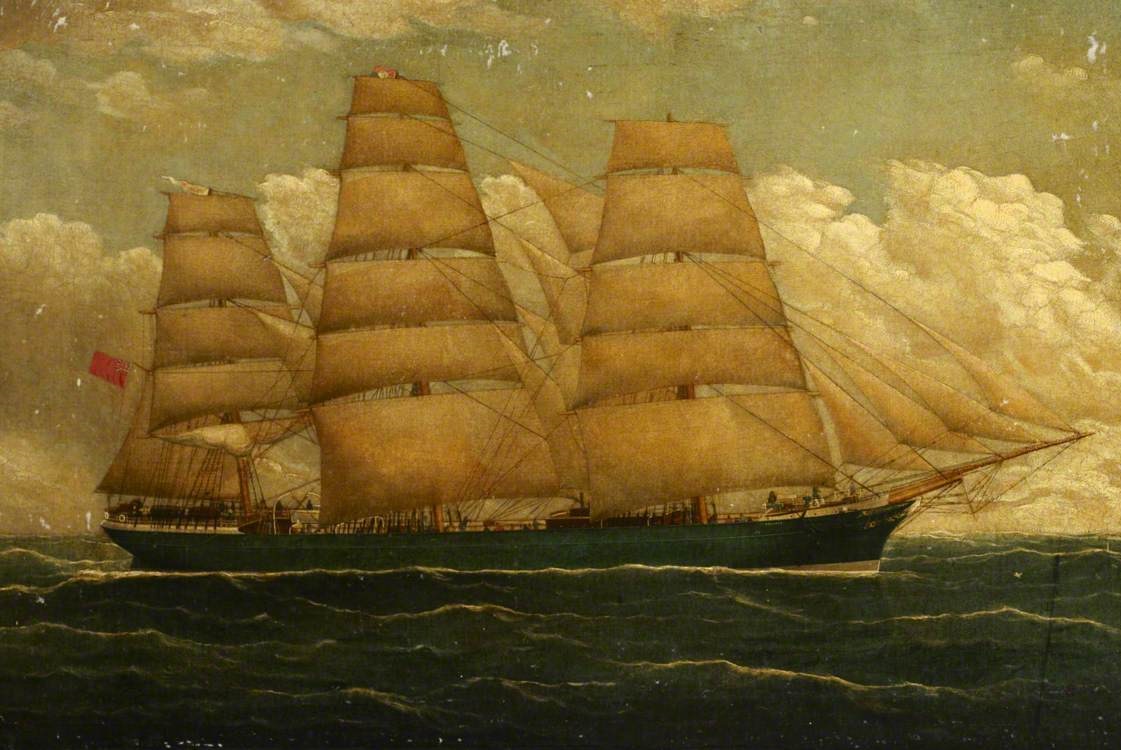
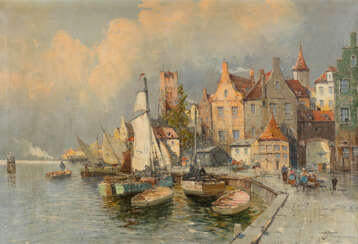
Frederick J. Tudgay was a British marine painter who depicted the sailing ships of the English navy.
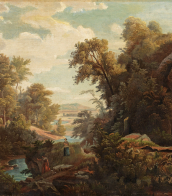
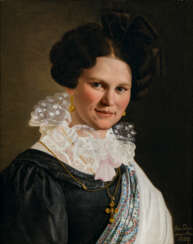

 Girsik.jpeg)
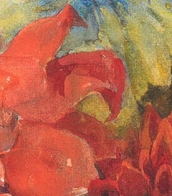
József Girsik was a Hungarian painter who worked in Austria.
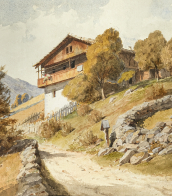
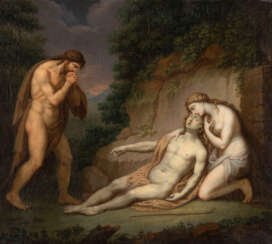

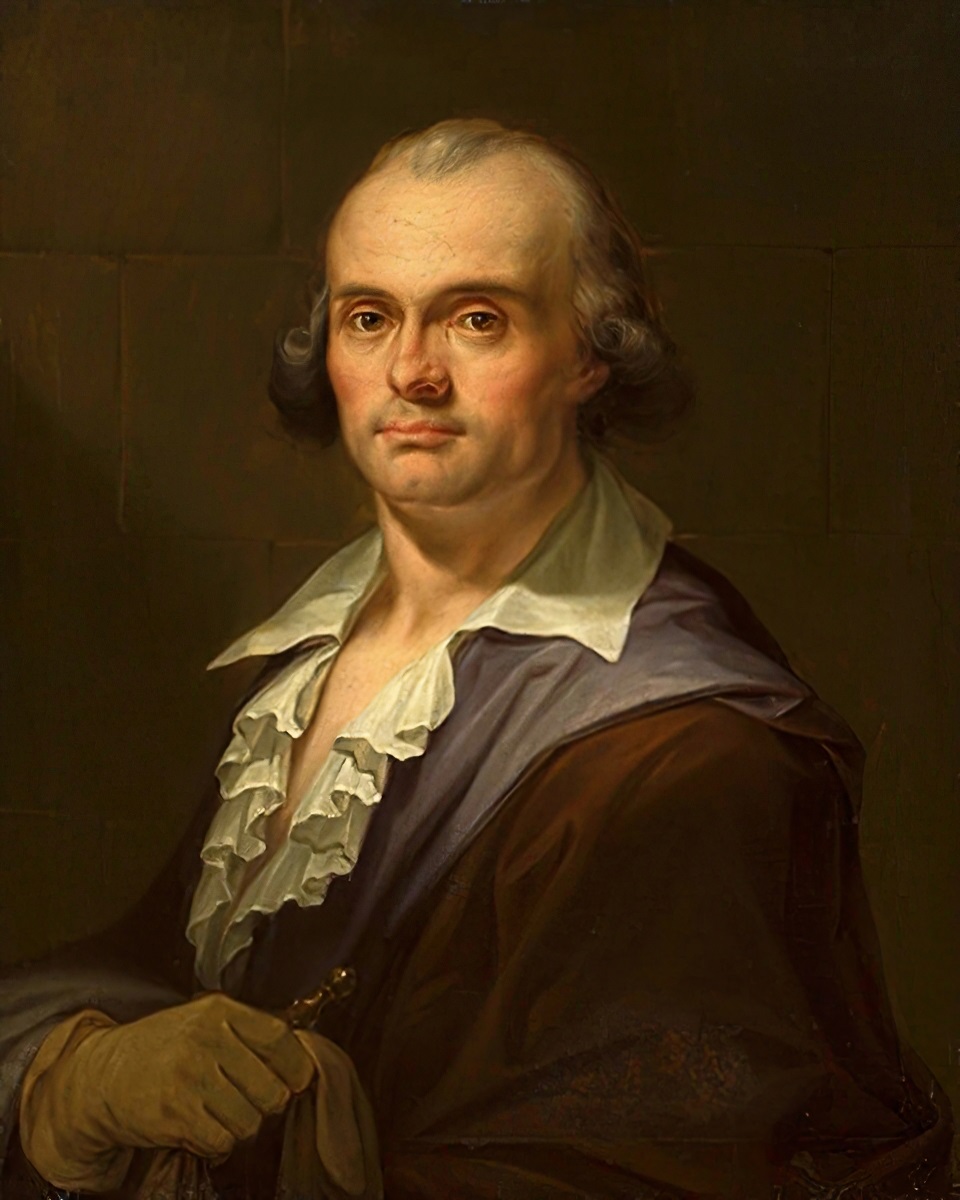
János Mihály Hesz was a Hungarian painter, etching artist and university lecturer.
Between 1791 and 1794, János Mihály Hesz studied at the art academy in Vienna. After his studies, he taught painting and drawing at the academy.
Art historians emphasise the "academic classicism" of Hes's paintings. The influence of Italian Mannerism can be felt in his later religious paintings and altarpieces.

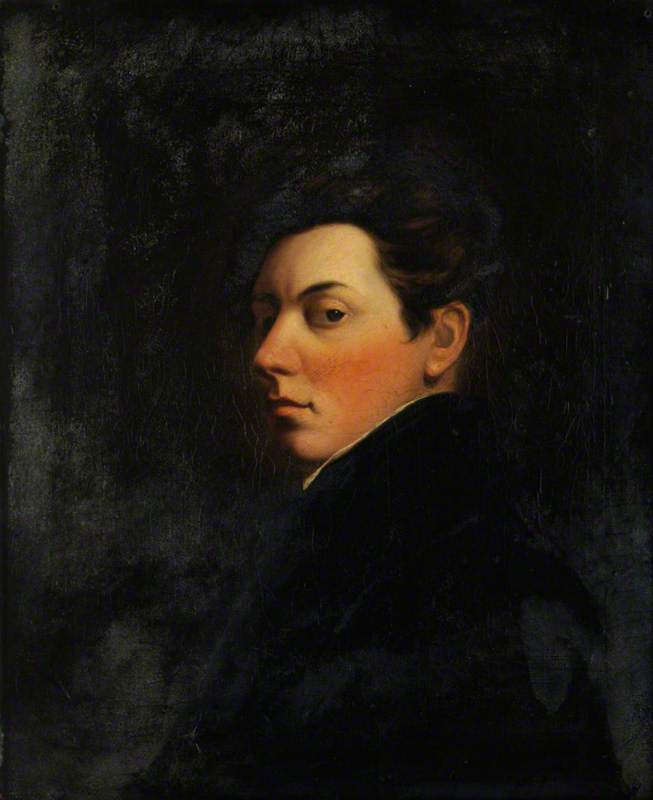
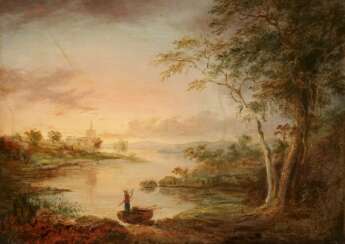
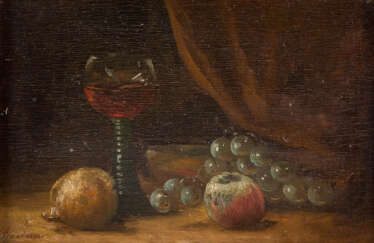
Ambrosini Jérôme, originally born James Parker Ambrosini Jerome, is a testament to the rich heritage of artistic talent within our family lineage. Born on August 8, 1810, in Portsea, Jérôme was a visionary artist whose Italianate pseudonym echoed the romanticism of his era.
Appointed Royal Painter to the Duchess of Kent and young Princess Victoria, Ambrosini's artistry gained royal acknowledgment as early as 1833. Despite the restrictive English art scene of his time, he aligned with the Pre-Raphaelites, rebelling against conventional standards to exhibit in Liverpool, where their art flourished outside London's stringent circles.
Ambrosini's legacy, though not steeped in fame, lives on through his paintings, cherished in private collections worldwide and honored in the Portsmouth Museum. His life, bound intimately to his craft, ended on April 7, 1883, leaving behind a narrative woven into the very fabric of our family's history.
Uncover the legacy of Ambrosini Jérôme by visiting the Portsmouth Museum, and stay updated on the availability of his works in auctions by signing up for our newsletter.
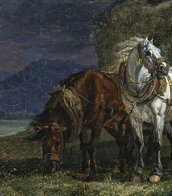
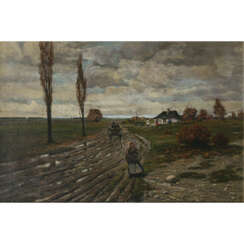

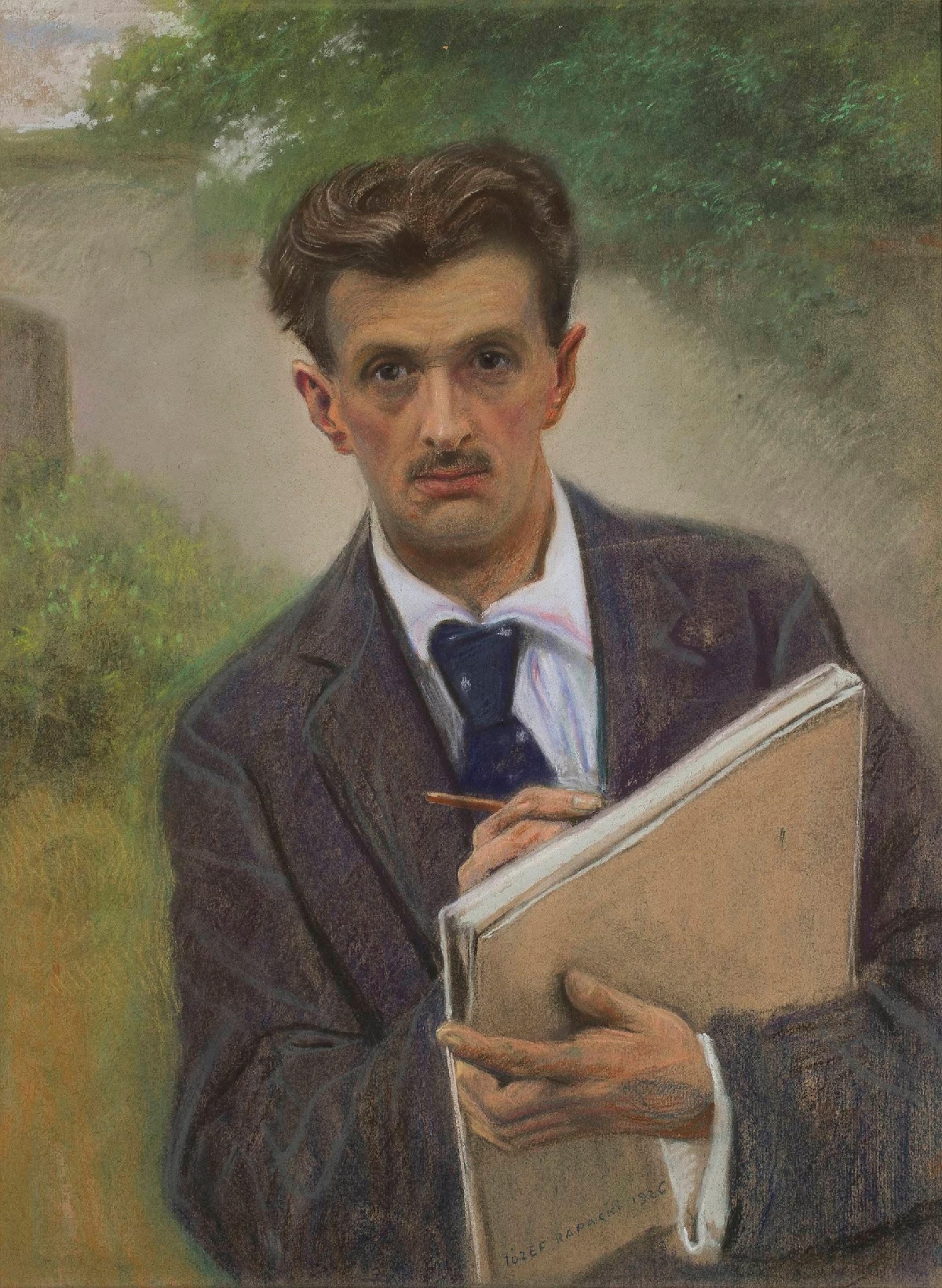
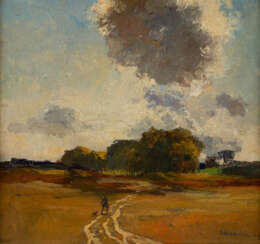
Józef Rapacki was a talented Polish painter and graphic artist who is best known for his nostalgic landscapes of Mazovia.
At the age of fourteen, Rapacki enrolled in a drawing class taught by Wojciech Gerson. Later he enrolled at the Krakow Academy of Fine Arts, where he studied under Isidor Jabloński, Florian Czink and Felix Szynałewski.
At first he painted genre scenes. In 1889, Jozef Rapacki travelled to Munich, where he studied for two years under the portraitist Konrad Fehr and was influenced by the Munich school.
He also began doing drawings for several Warsaw periodicals and illustrated the works of Ignacy Krasicki. Rapacki exhibited extensively, including at the World's Fair (1900).
In 1907, Rapacki and his family moved to Olszanka, where his house became a gathering place for artists and writers. It was here that he concentrated on landscapes and created some of his best known works. During World War I, he drew many pictures of the German occupation for the Warsaw press.
Józef Rapacki's artwork is still popular and appreciated for its unique style and unique atmosphere.